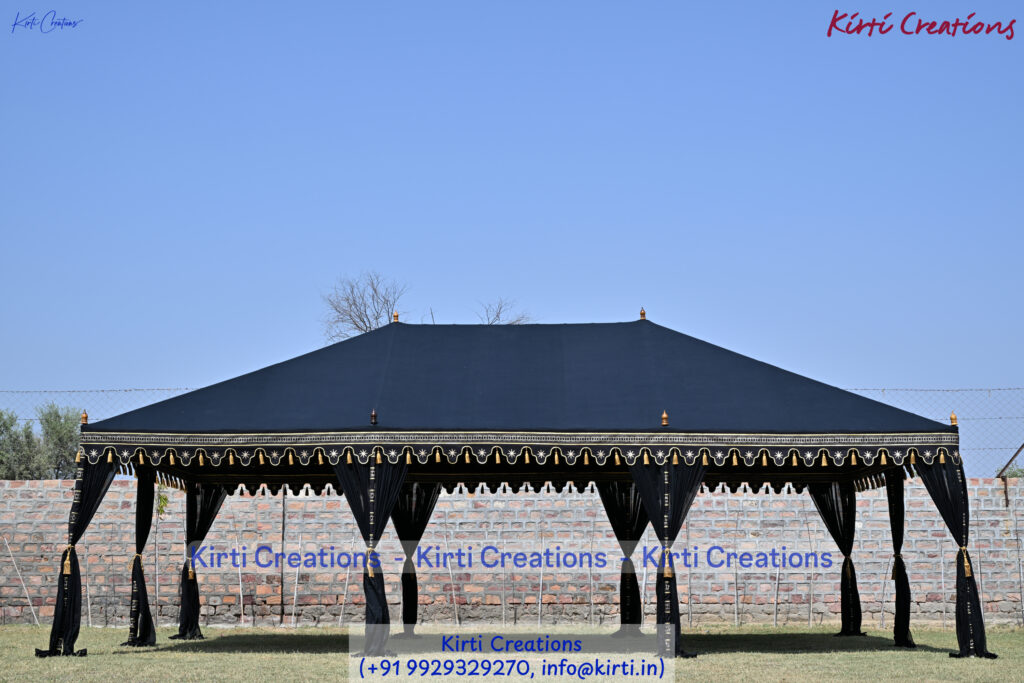
Most people think that the safety of a wedding tent is about how sturdy it looks once it’s installed. But the real safety engineering starts way before the installation. It happens during all those calculations, certificates, and material selections which guests will never see. And this is precisely what makes a wedding tent manufacturer reputable.
For instance, a beautifully decorated tent that has not been engineered to withstand the site’s actual wind exposure is not merely a design risk; it is a safety risk.
So, what actually separates a genuinely safe wedding tent from one that simply looks impressive? Let’s find out!
Why Structural Safety Matters More at This Scale
Large-scale wedding tents carry real engineering demands that a standard garden marquee was never designed for:
- Taller peaks and wider spans increase wind loading significantly compared with a low, small structure.
- Chandeliers, lattice screens and layered drapery all add real weight the frame must be rated to carry.
- Multi-day events expose the structure to varying weather for a much longer period than a one-night event.
What Makes a Wedding Tent Structurally Safe
Six engineering decisions determine whether a tent is genuinely safe, not simply well finished. Let’s take a look at them:
Site-Specific Wind Load Calculations
Every safe structure starts with calculations based on the actual site, instead of a generic rating pulled from a catalogue. The calculation covers the factors a structure needs to withstand:
- Exposure
- Height above sea level
- Nearby buildings
- Seasons affecting wind
These factors are addressed by recognised standards that deal with the design, manufacturing, and erection of temporary structures such as tents. Just ask the wedding tent manufacturers to do the calculation for your specific site requirements before you decide to reserve it.
Certified Structural Framing and Connections
The frame itself needs to be engineered, not simply strong-looking. Each connection, such as where a beam intersects a vertical post, bears different loads when the structure is subjected to wind.
Wedding tent manufacturers with a good reputation employ certified structural framing systems with known load ratings for all the parts, and pay attention to more than appearance. Make sure you get proof of this engineering certification for the specific frame used for your date.
Ground Assessment and Proper Anchoring
A perfectly engineered frame still fails if it is anchored into ground that cannot hold it. Certain factors affect how securely a structure can be pinned or ballasted, such as:
- Soil type
- moisture levels
- What lies beneath the surface, including foundations, drainage, tree roots
Instead of making assumptions based on previous installations, conduct a site survey before installation. This way, you can be assured that stakes, ground screws, or ballast are appropriate for that particular lawn.
Fire-Rated, Certified Fabric
Fabric safety is about more than appearance and weatherproofing. All membranes used in a temporary structure should be flame retardant and certified. It must meet the requirements set out clearly in UK guidance for marquees and temporary structures.
Ask for the certification documents for the actual fabric batch being used. Also check it covers the lining and drapery as well as the outer structure.
Installation by Qualified, Insured Riggers
Even a perfectly engineered structure is only as safe as its installation. Riggers should be able to demonstrate the following:
- proven competency
- current public and employers’ liability insurance
- A documented method statement for the specific site
The installation should be in line with the standards the Health and Safety Executive expects from temporary demountable structure contractors. A completion certificate, signed off after installation, confirms the structure was checked against its design before a single guest arrives.
Ongoing Monitoring Through Multi-Day Events
A structure that was safe on day one does not stay safe automatically through a week of shifting weather. Follow scheduled structural checks between events, not just at the initial install. It should be done particularly after any significant wind or rain. Agree a monitoring schedule with your supplier in advance for any multi-day celebration, including a clear threshold for when an event should be paused or evacuated.
Questions to Ask Before You Book
A few direct questions can help you determine whether your wedding tent supplier is qualified:
- Check that you receive an actual, site-specific certificate of structural competence, and not the generic specification sheet provided for every hire.
- Establish who has the up-to-date public and employer’s liability insurance, and ask for the certificate.
- Discover what wind speed would stop the event from taking place on that day, and who makes that decision.
- Request the maintenance and inspection logs of the particular structure and fabric being hired.
- Think twice about the lowest quote. Proper engineering and maintenance costs money.
Wrapping Up
Calculations mean nothing without certified framing, and a certified frame means nothing without proper anchoring and qualified installation. Together, they enable a wedding tent manufacturer to promise a structure that looks extraordinary and remains safe for every guest inside it.
Wedding Tent designs and engineers every structure to meet this standard. Every one of our products has proper documentation available for every booking. Speak with our team to review the certification for your chosen structure before you book.